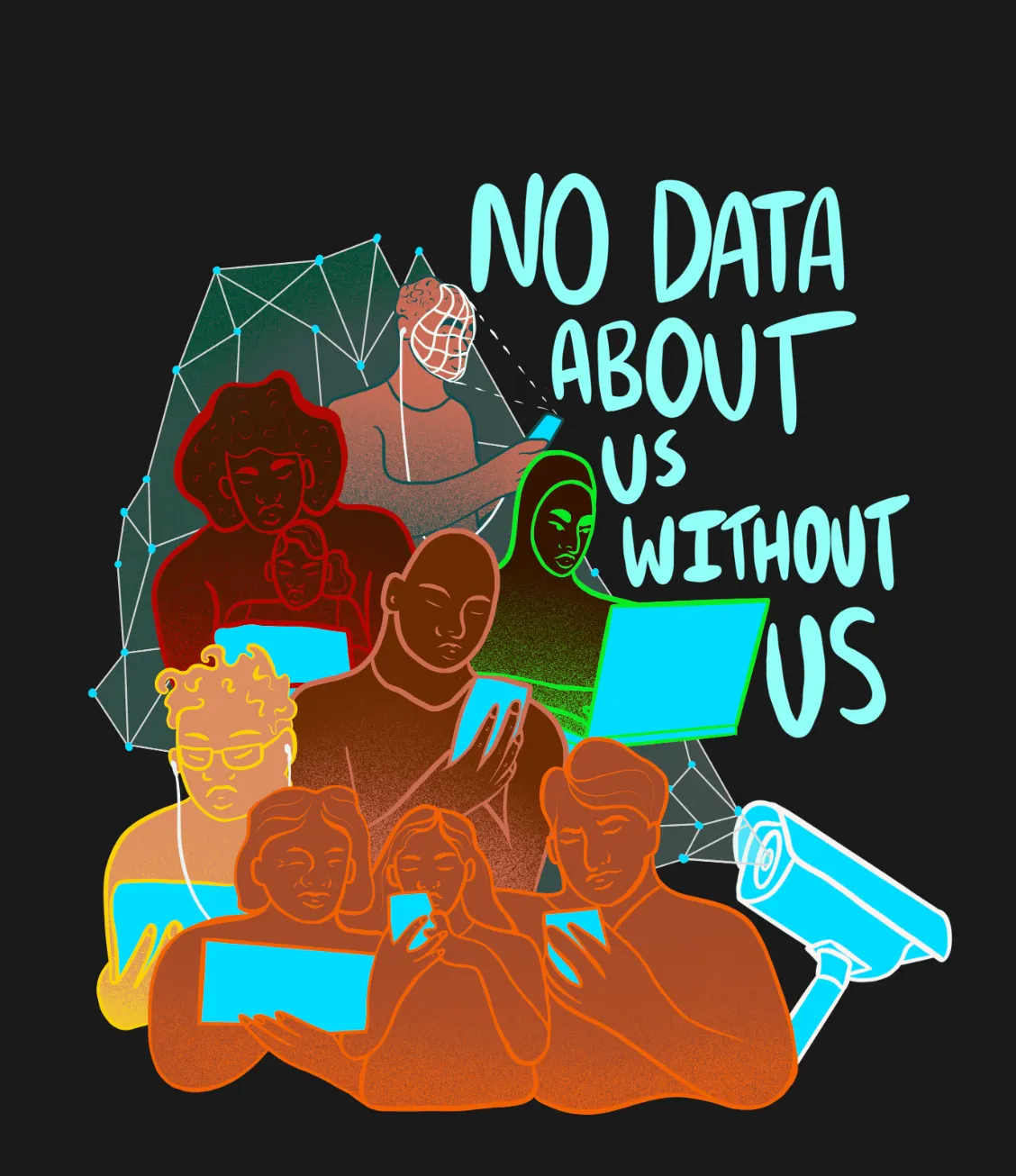
The Edgelands Artbooks
Aude PyAt the outset, there was a desire to showcase and visualise the thinking behind Edgelands
.jpg)
At the outset, there was a desire to showcase and visualise the thinking behind Edgelands.
The aim was to create a narrative specific to Edgelands, to create meaning and raise questions around the theme of the digitalisation of security and its impact on the social fabric of cities. Through philosophical questioning, poetic gestures and graphic gestures.
Within Edgelands, art participates in research, it does not merely illustrate it.
Based on this principle, since its creation, Edgelands has been nourished by its collaborations with various artists, photographers, visual artists, sculptors, poets, videographers and dancers.
By partnering with Matza, several artist residencies have been created in the different cities chosen by Edgelands: Medellín (Colombia), Cúcuta (Colombia), Nairobi (Kenya), Geneva (Switzerland).
Also Houston (U.S.), this time with the Glitch Lab.
In addition, in each of these cities, a different photographer from the MAGNUM Agency captured what resonated with them about the digitisation of security.
From then on, what we sought to do with the Art Book was to highlight the issues that emerged in one city, seek out and explore in the same direction in another city, in resonance, creating bridges, links and points of comparison, across borders and across different territories.
Several keywords emerged:
SOCIAL CONTRACT
SURVEILLANCE
GREY AREA
TRANSPARENCY
TIPPING POINT
HUMAN PERSPECTIVE
MACHINE PERSPECTIVE
FREEDOM
TACIT CONSENT
Then very quickly, questions arose:
WHO READS THIS PERSPECTIVE?
WHO RECEIVES IT?
WHAT IS TACIT?
IN WHAT TERRITORY?
IN WHAT SPACE OF FREEDOM?
WHAT ABOUT THE SOCIAL CONTRACT?
HOW CAN CONSENT BE GIVEN IN A GREY AREA?
TRANSPARENCY, BUT FOR WHOM?
TRANSPARENCY AS INTRUSION.
LIVING TOGETHER.
IN WHAT GREY AREA?
Together with the artists, we sought answers.
These avenues of reflection are the adventure of the various Art Books.
ART BOOK I
CITIES: Medellín Cúcuta Nairobi Geneva
MEDELLIN / ARTISTS' RESIDENCY
With Medellín as its first stop, EDGELANDS partnered with MATZA and invited eleven Colombian and international artists to immerse themselves in the dynamic but deeply divided context of Colombian society to explore these potential territories.
Inspired by the country's recent history and the creativity and innovations that have transformed the city in recent years, an artist residency was created, COMMON GROUNDS, seeking to question the possible spaces for change in the urban tensions of Medellin today.
From 31 January to 18 February 2022, the first stage of the project took place in Medellin. A base camp built inside the Bodega Confama art space served as a living, working and exhibition space for the artists. An exhibition followed from 18 February to 20 March 2022.
Curation: Séverin Guelpa and Anja Wydmen Guelpa.
Artists present: Sara Arango (CO), Felipe Castelblanco (CO), Alejandro Duque (CO), Ogutu Muraya (KEN), Onyis Martin (KEN), Sandrine Pelletier (CH), Margarita Pineda (CO), Valentina Pini (CH), Julie Semoroz (CH), Angelica Teuta (CO) and Tatyana Zambrano (CO)
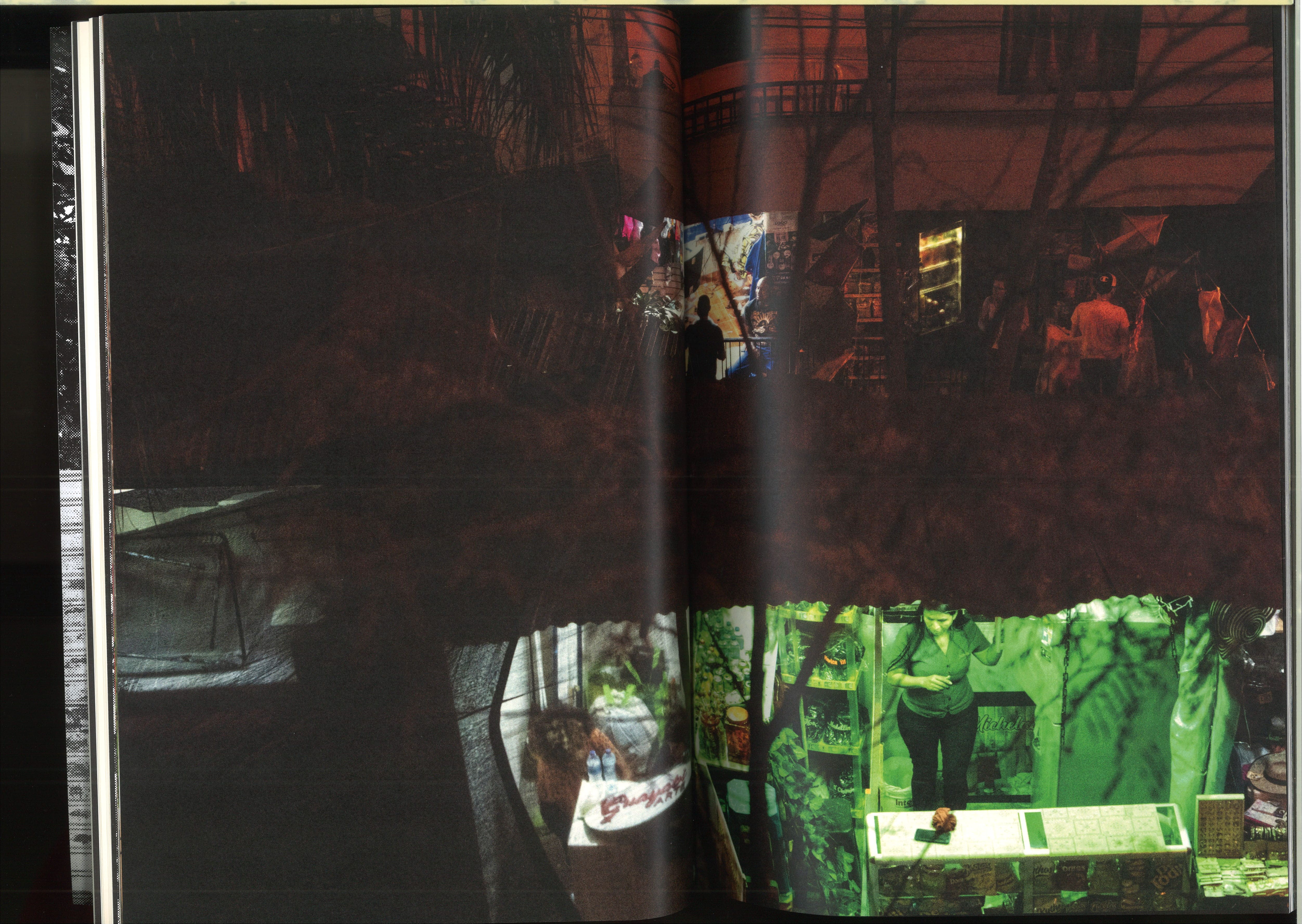
MEDELLIN / EDGELANDS/ MAGNUM / PETER VAN AGTMAEL
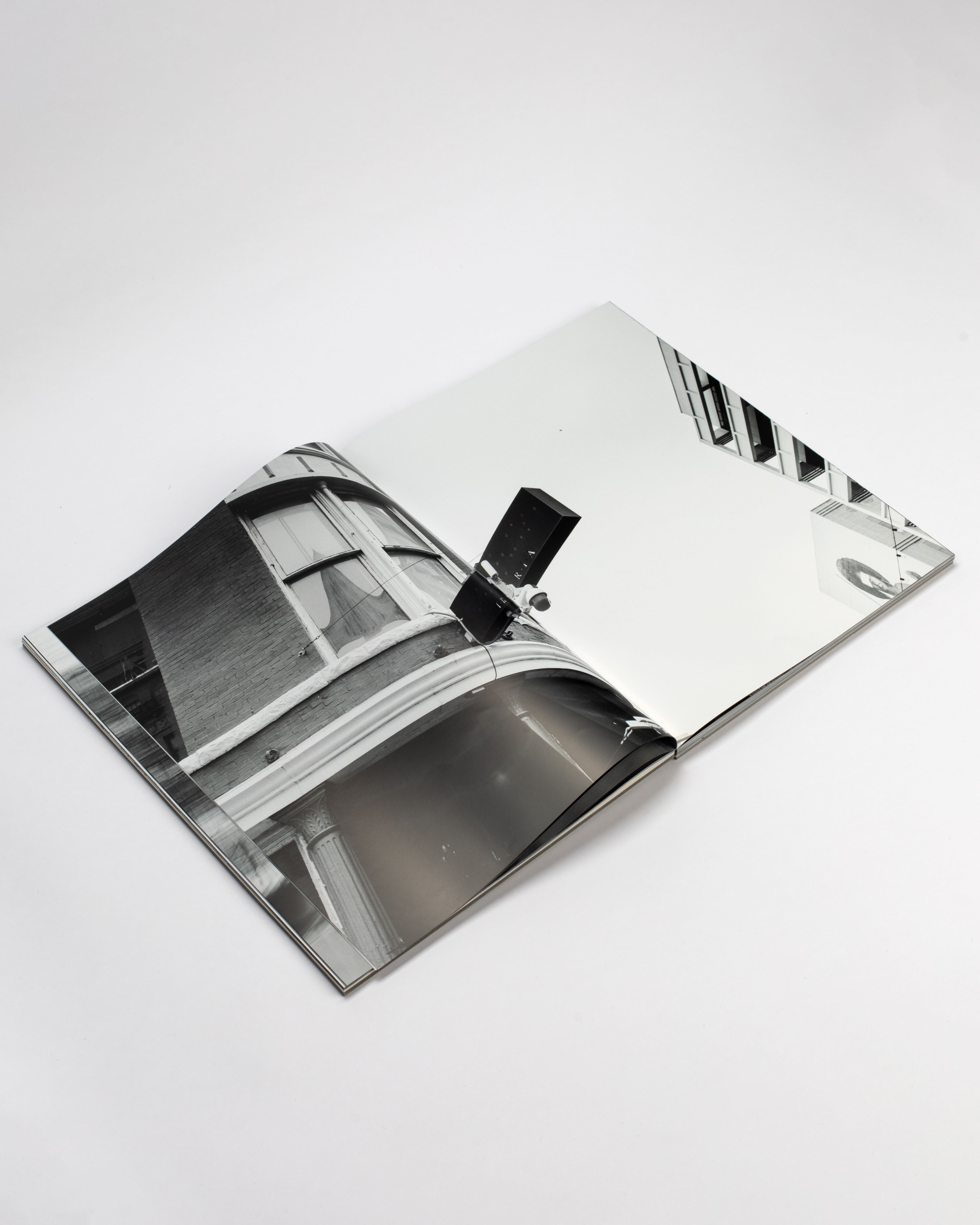
Magnum Edgelands Medellín, a project carried out in collaboration with photographer Peter Van Agtmael, explores the interaction between observation, technology and the public sphere through the lens of Medellín's streets and surveillance cameras.
Entitled ‘Documenting the Invisible,’ the New York photographer's project immersed him in a 10-day exploration of Medellín between March and April 2022. Guided by local photographer Juan Fernando Ospina, Peter Van Agtmael immersed himself in the city's urban landscape with the aim of capturing the presence of surveillance tools and practices, ranging from CCTV cameras to the watchful eyes adorning buildings.
The central focus of the project was to unravel the dynamics of surveillance in Medellín. Through his lens, Peter Van Agtmael captured the invisible, highlighting the hidden cameras and watchful eyes that inhabit the city. The act of photographing surveillance became a mirror, reflecting the shared vigilance that defines public life.
CUCUTA / ARTIST RESIDENCY
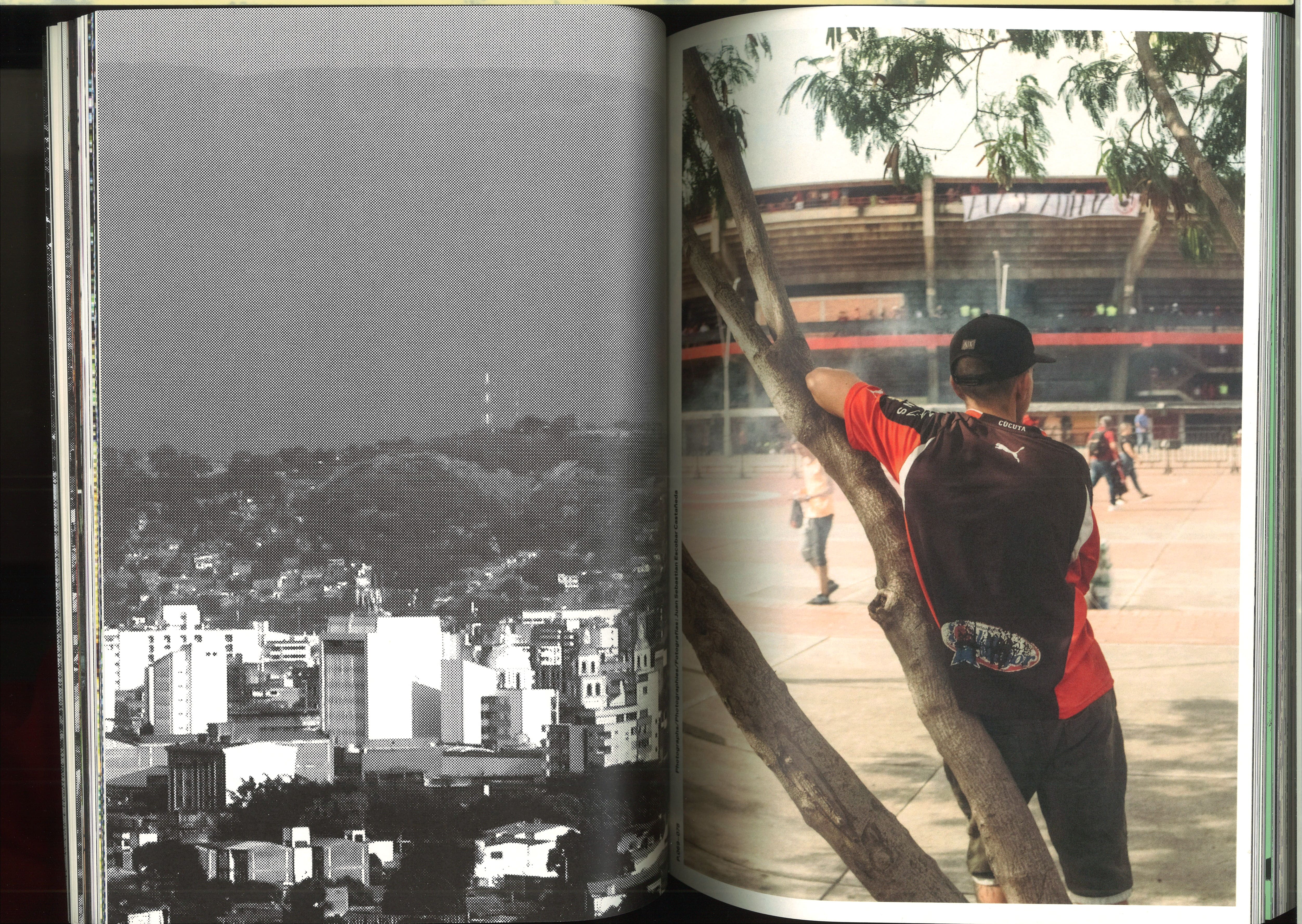
Cúcuta, a medium-sized Colombian city, was chosen by EDGELANDS in collaboration with MATZA for its location on the border with Venezuela, from where hundreds of thousands of refugees have been flooding in since 2013.
For 10 days, artists and experts came together to discuss and work on the challenges facing this border city as part of a residency: BLURRED LINES.
Curation: Séverin Guelpa and Anja Wydmen Guelpa.
Artists present: Yann Gross (CH), Syowia Kyambi (KEN), Vanessa Lacaille (CH), Ronald Pizzoferrato (VEN), Adrian Preciado (VEN), Santiago Vélez (CO).
NAIROBI / ARTIST RESIDENCY
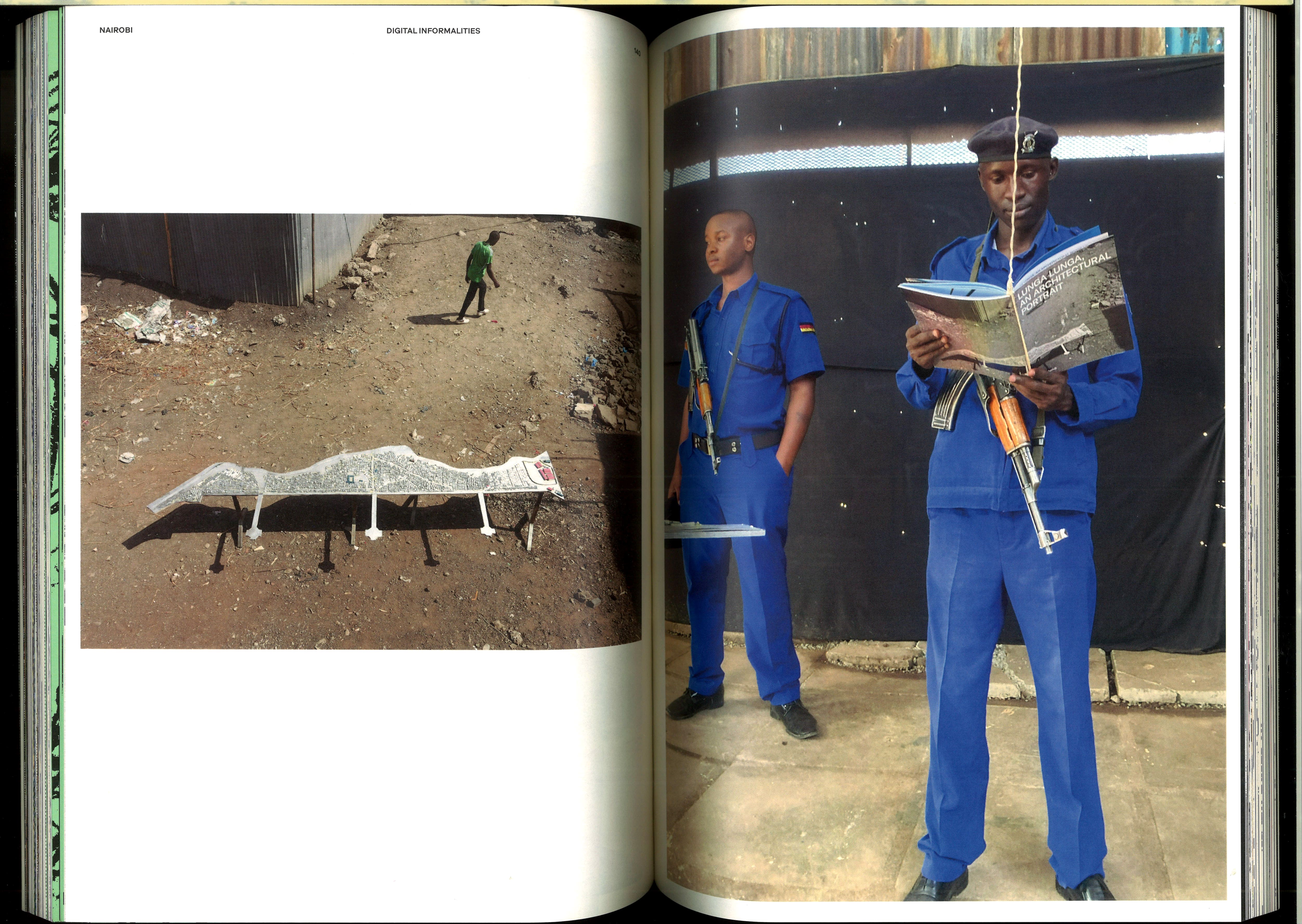
From 23 January to 10 February 2023, Nairobi welcomed a team of eight national and international artists and architects from Kenya, Venezuela and Switzerland, countries where the EDGELANDS project in collaboration with MATZA was carried out.
Nairobi was chosen for its specific and central location in East Africa, its economic growth as a creative and dynamic hub in East Africa, and its sustained but highly fractured demographic and urban development.
In this particular context, DIGITAL INFORMALITIES sought to explore how digitisation has given rise to massive surveillance of the city while simultaneously stimulating new informal forms of exchange, mutual aid and reciprocity.
DIGITAL INFORMALITIES consisted of 19 days of immersion, work and investigation in the city of Nairobi, in close collaboration with the WAJUKUU ART collective, which lives and works in the Mukuru Lunga-lunga slum.
Curated by Séverin Guelpa and Anja Wydmen Guelpa.
Artists present: Shabu Mwangi (KEN), Joan Otieno (KEN), Mounir Ayoub (TUN, CH), Flurina Rothenberger (CH), Ngugi Waweru (KEN), Nabalayo (KEN), Wanjiru Ngure (KEN) and Ronald Pizzoferrato (VEN).
NAIROBI / EDGELANDS / MAGNUM / LINDOKUHLE SOBEKWA
Magnum Edgelands Nairobi was created in collaboration with South African photographer Lindokuhle Sobekwa.
In Nairobi, where Huawei CCTV cameras line every street, the city faces high crime rates. In response to a terrorist crisis in 2014, Chinese tech giant Huawei stepped in to set up a digitised surveillance system. This initiative, a collaboration between Huawei and Safaricom, Kenya's leading telecommunications company, gave rise to the integrated urban surveillance system. Nairobi became the site of Huawei's first ‘Safe City’ project in Africa. With more than 2,000 closed-circuit television cameras installed throughout the city, all interconnected and transmitting data to the Kenyan National Police Headquarters, Sobekwa captured the landscape of surveillance in Nairobi. Through his lens, Sobekwa sought to provide insight into the history of surveillance, dating back to the advent of photography.
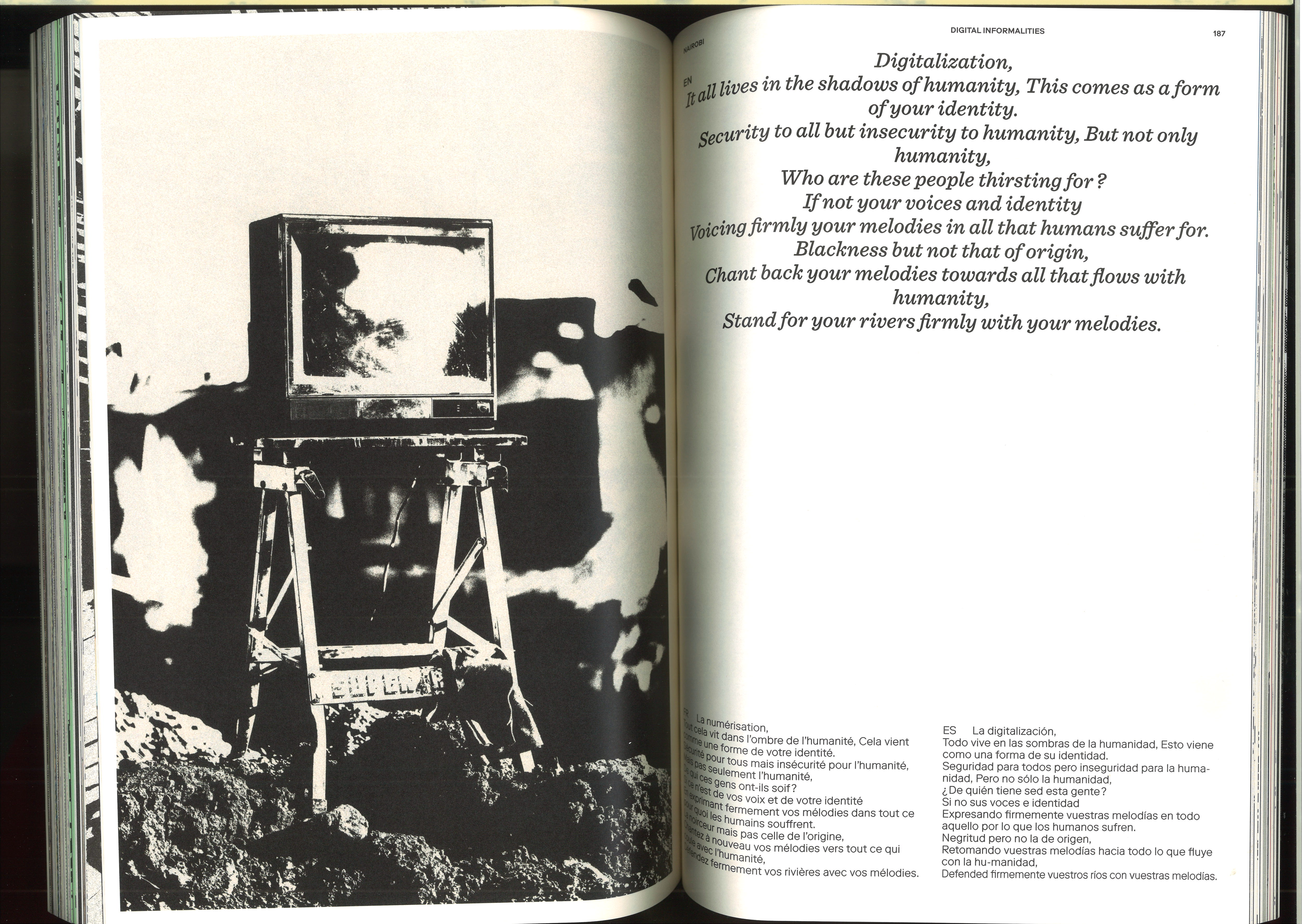
In collaboration with a group of students from the Ojukwu Art Centre in Kenya, Lindokuhle Sobekwa conducted an experiment using a camera obscura, one of the first optical mechanisms designed to capture images. Through this project, the photographer draws parallels between the historical development of photography and the evolution of surveillance, prompting reflection on how the advent of cameras in the past has facilitated the construction of sophisticated surveillance systems in the present. He points out that his camera obscura, ingeniously constructed in a box on the street, served as an additional means of surveillance for individuals. Many of the images captured by Lindokuhle Sobekwa using the camera obscura focused on specific areas, delineating a distinct circle of clarity around their perimeter.
The blurred and fragmented imagery produced by Sobekwa is a poignant reminder that the inner workings of surveillance systems are often shrouded in ambiguity. The distortions captured by the camera obscura echo the biased narratives that can arise from observing others under surveillance, highlighting the complexities and uncertainties inherent in such practices.
While exploring themes of surveillance in Kenya, Lindokuhle Sobekwa strategically navigated the city's surveillance policies by exercising caution in his photographic activities, thus avoiding public exposure. Although the camera obscura serves as an additional surveillance tool for street dwellers, it has also allowed Sobekwa to pursue his art discreetly. This tactic is all the more relevant given that Sobekwa explained during his interview that Kenyan law protects against photos taken by photojournalists without their consent.

GENEVA / ARTIST RESIDENCY
Geneva is the fourth city to host the collaborative project between EDGELANDS and MATZA. In the anonymity of a large city, individuals express their need for belonging and security by forming communities, a phenomenon that is now amplified and energised by digital networks. The creation of these communities contributes to the affirmation of their members but at the same time contributes to a certain fragmentation of society. EDGELANDS MATZA Geneva focused on the emergence of these underground clusters and the centrifugal and centripetal forces they generate within society.
From 27 April to 29 May 2023, Geneva saw a selection of local and international artists invited to work on projects that resonate with local realities and global issues. For 17 days, MATZA worked closely with a wide range of local partners and stakeholders, in close collaboration with the Ressources Urbaines cooperative. An exhibition was then held in the iconic former Charmilles post office building, newly assigned to cultural projects, entitled: UNDER THE RADAR.
Curated by Séverin Guelpa and Anja Wydmen Guelpa.
Artists present: Tanguy Benoit (FR), Maxime Bondu (FR), Sabrina Fernandez Casas (CH-ESP), Myriam Dalal (LB), Lorca Devanne-Langlais (FR), Félicien Goguet (FR), Zulkifle Mahmod (SG), Shabu Mwangi (KEN) and Thomas Dworzak (DE)
GENEVA / EDGELANDS / MAGNUM / THOMAS DWORZAK
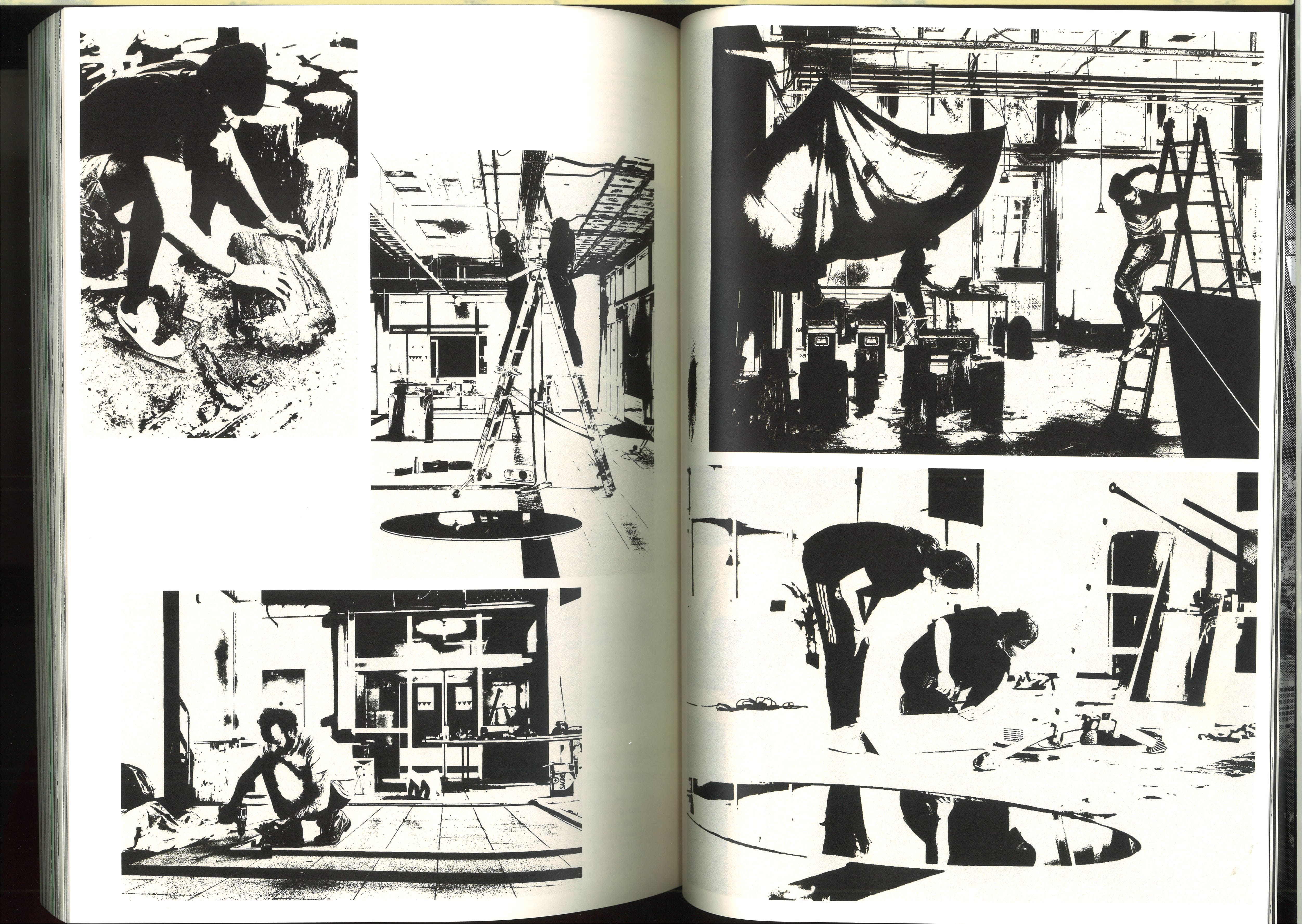
Photographer Thomas Dworzak chose to set his scene in Geneva using ‘postcards’. In a very literal way, he shows the city at the end of the lake as a haven of peace where nothing disturbs the apparent calm. All the clichés of the city are there, from past to present, from a European cultural hotspot to a modern global city, home to the United Nations in Europe and a multitude of international organisations.
In a second phase, Thomas Dworzak introduces ‘digital footprints’, the digital shadows that are gradually transforming this picture-postcard Geneva.
By choosing to follow the daily lives of several Genevans, he describes each of the digital traces left by these citizens confronted with constant digital surveillance. It is an unstoppable demonstration of the technological revolution that is creeping into everything we do, from surveillance cameras on public transport to the use of social networks, from computer interaction with our institutions to our online purchases.
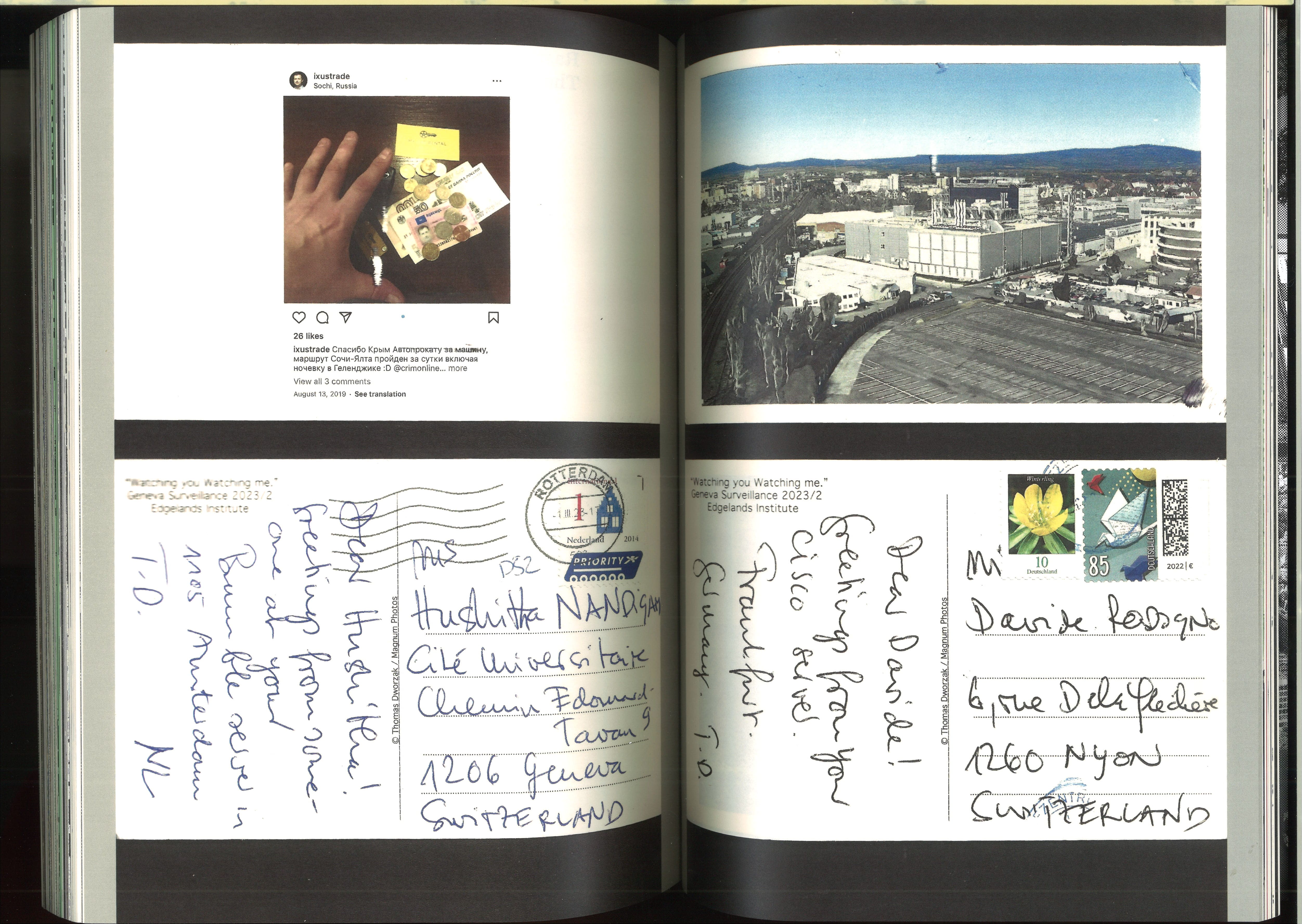
Then, in a third phase and with the help of Edgelands collaborators, Thomas searched the web for the storage locations of this digital data left here and there by the inhabitants of Geneva. First, he contacted the owners of the surveillance cameras (without much success!), then he conducted an online investigation to identify, with varying degrees of certainty, where this data was stored in the cloud and locate servers in Switzerland, Ireland, Germany and elsewhere. With screenshots to back up his findings, he completed his photographic project by showing the industrial warehouses where our digital data is now stored. As a final twist, he had these warehouses photographed and sent them back in the form of postcards to the Genevans who took part in his survey on digital footprints: look, he seems to be saying, this is where your digital double is stored!
Ultimately, Thomas Dworzak's photographic investigation spectacularly highlights the discreet and silent establishment of the ‘surveillance society’ in Geneva and, above all, the lack of transparency regarding the collection and storage of digital data gathered on a daily basis. His work is entitled: OUR DATA ON THE TRACK.
ART BOOK II
CITY: MEDELLIN
When creating ART BOOK II, a step aside was taken. This ART BOOK was conceived and designed during the EDGELANDS Symposium in February 2024 in Medellin. In this specific case, the aim was not to give substance to the work of an artist residency or to report on a photographic exploration, but rather to start from an observation, a surprise, at the pictorial presence of the Virgin Mary, which can be seen almost everywhere in the Medellin metro.
Surrounded by surveillance cameras, hundreds of representations of the Virgin Mary inhabit the streets of Medellin. Strategically placed, inspiring admiration, they promote peace and ease collective tensions. In 1996, four Virgins were installed in the city's metro system, marking the beginning of the ‘Metro Culture’ project, which aimed to place a representation of the Virgin in every metro station. These four pictorial representations illustrate how this ‘divine gaze’ competes with the surveillance of the cameras.
.jpg)
ART BOOK III
CITY / HOUSTON, USA
ART BOOK III examines how surveillance and control have become integrated into everyday life in one of the most diverse cities in the United States: Houston.
In the case of Houston, Edgelands focused primarily on the issue of surveillance in public schools.
Houston, Texas, a diverse metropolis of 2.3 million people, is grappling with the historical links between its surveillance infrastructure and racial oppression as it adapts to the rise of security technologies. This phenomenon is prompting calls for inclusive political dialogue that reconciles security and civil liberties.
From AI-powered cameras to digital surveillance tools, these systems often carry a heavy historical and racialised legacy, disproportionately affecting Black and Latin American communities. Rather than preventing harm, they risk reinforcing punitive logic and accelerating the school-to-prison pipeline.

HOUSTON / ARTIST RESIDENCY
The Glitch Lab is an artist residency developed by EDGELANDS and the NOTICE Coalition to explore the intersections between surveillance, education, and juvenile justice. Through community projects and participatory works, the residency invited artists, students and educators to examine how technologies such as AI-powered cameras, student monitoring software and vaping detectors are redefining the notion of safety and discipline in schools.
For five months in 2025, the Glitch Lab fostered collaboration, dialogue, and creative resistance, challenging discourses that present surveillance as a solution to educational challenges. The programme highlighted how these technologies often reinforce racialised and discriminatory systems of control, disproportionately affecting Black, disabled, TLGBQIA+, and other marginalised youth.
By merging art, research, and community organising, the residency transformed Houston's Friends Gallery into a space for experimentation and civic engagement. Through installations, workshops, sound experiences, and storytelling, participants reimagined how socially engaged art can expose systemic biases while amplifying the voices of youth and the community, offering new ways to envision a digital future grounded in care, equity, and justice.
The residency concluded with an exhibition organised by the Friends Gallery in Houston from 22 October to 9 November 2025, showcasing the works created throughout the programme.
Curation: Rian Crane and Chelsea Barabas
Artists featured: Jack Morillo, Sol Díaz-Peña and Billion Tekleab.
HOUSTON / EDGELANDS / MAGNUM / YAEL MARTINEZ
Through a series of photographs by Yael Martínez, ART BOOK III explores Houston as a testing ground for security technologies increasingly deployed in the name of safety, particularly in public schools.
Martínez's images go beyond simple documentation, offering a poetic and unsettling reflection on what it means to live under constant surveillance. This work presents Houston in a new light as a microcosm of global change, raising urgent questions about surveillance, trust, and the fragile balance between security and freedom.
.png)